Muslim Cemetery
Back to all places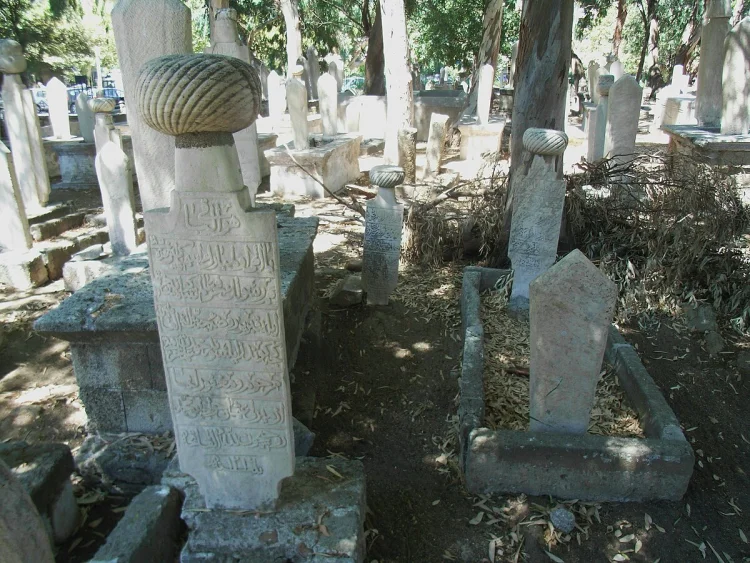
Nestled on the picturesque island of Rhodes in Greece, the Muslim Cemetery stands as a poignant reminder of the island’s multicultural past. This serene resting place is located just outside the historic walls of Rhodes Old Town, a UNESCO World Heritage site, and serves as the final abode for many members of the island’s once-thriving Ottoman community.
The cemetery dates back to the period of Ottoman rule, which spanned from 1522 to 1912, marking over four centuries of Turkish influence on the island. As one of the few remaining symbols of the Ottoman presence in Rhodes, the cemetery is a significant historical site, offering insights into the cultural and demographic shifts that have shaped the island over the centuries.
The layout and architecture of the cemetery reflect the traditional Islamic style, with intricately carved tombstones and quiet, contemplative spaces that invite reflection. Amongst the verdant greenery, visitors can find tombstones that are remarkable examples of Ottoman funerary art, featuring inscriptions in Ottoman Turkish, many of which tell the tales of the individuals buried there - from pashas and governors to ordinary citizens.
Legend has it that the cemetery is also the resting place of a mysterious dervish known only as ’the wanderer of Rhodes’. According to local tales, he was a figure of great spiritual significance who performed miracles and was revered by both the Muslim and Christian communities during his lifetime in the late 18th century.
The Muslim Cemetery not only offers a connection to the spiritual and everyday lives of Rhodes’ Ottoman past but also stands as a testament to the island’s long history of cultural synthesis and diversity. It remains a site of historical significance and a solemn reminder of the past, inviting those who visit to ponder the complex tapestry of human history interwoven with the present and future of Rhodes.
Photo: Notafly
36.45273, 28.22351