Moni Thari
Back to all places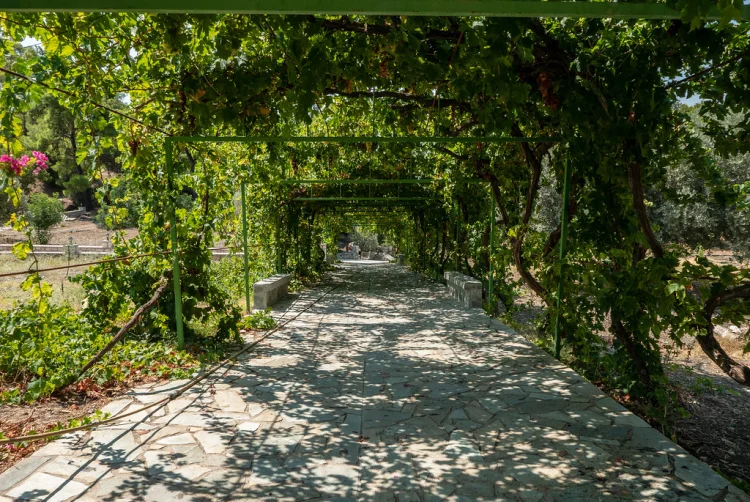
Moni Thari, nestled amidst the rugged terrain near Laerma, Greece, is a poignant testament to Byzantine religious architecture and monastic life. Founded during the 9th century, this monastery has been a beacon of Orthodoxy through the tumultuous periods of the region’s history, surviving through Byzantine, Ottoman, and modern eras. The edifice stands surrounded by whispering olive groves, evoking a sense of timeless tranquility.
Notable for its well-preserved frescoes that adorn the interior walls, Moni Thari offers a unique glimpse into the artistic and spiritual pursuits of its ancient inhabitants. The frescoes depict various biblical scenes and saints, rendered in a style characteristic of the Byzantine period, noted for their vivid colors and emotional depth. These artworks not only serve as religious inspiration but also provide valuable insights into the theological and cultural milieu of the time.
The monastery also houses an impressive collection of religious relics and manuscripts, some of which date back to its founding. Among these sacred items, ancient texts and liturgical artifacts stand out, offering scholars a precious window into the liturgical practices and daily lives of the Byzantine monks.
Historically, Moni Thari played a significant role during the Ottoman occupation of Greece. The monastery became a refuge for Greek scholars and a center of clandestine education, defying the suppression of Greek culture and language. It is said that secret schools operated within its secluded confines, nurturing the flame of Greek education and national identity during those dark times.
Today, Moni Thari is not only a site of historical and religious significance but also a destination for pilgrims and history enthusiasts who seek to commune with the past and explore the depths of Byzantine spirituality and heritage. The monastery’s ongoing restoration efforts aim to preserve its architectural and artistic legacy for future generations, maintaining its status as a venerable emblem of Greek Orthodoxy and historical resilience.
Photo: Shadowgate
36.13312, 27.91731